It does not start with a standstill. Not with a machine that suddenly fails. Not with an order that disappears overnight. It starts more quietly. With prices that multiply in a short time. With raw materials that are still available, but no longer reliably so. With an uncertainty that runs through purchasing, costing and production.
This is exactly the development that can be observed with tungsten carbide.
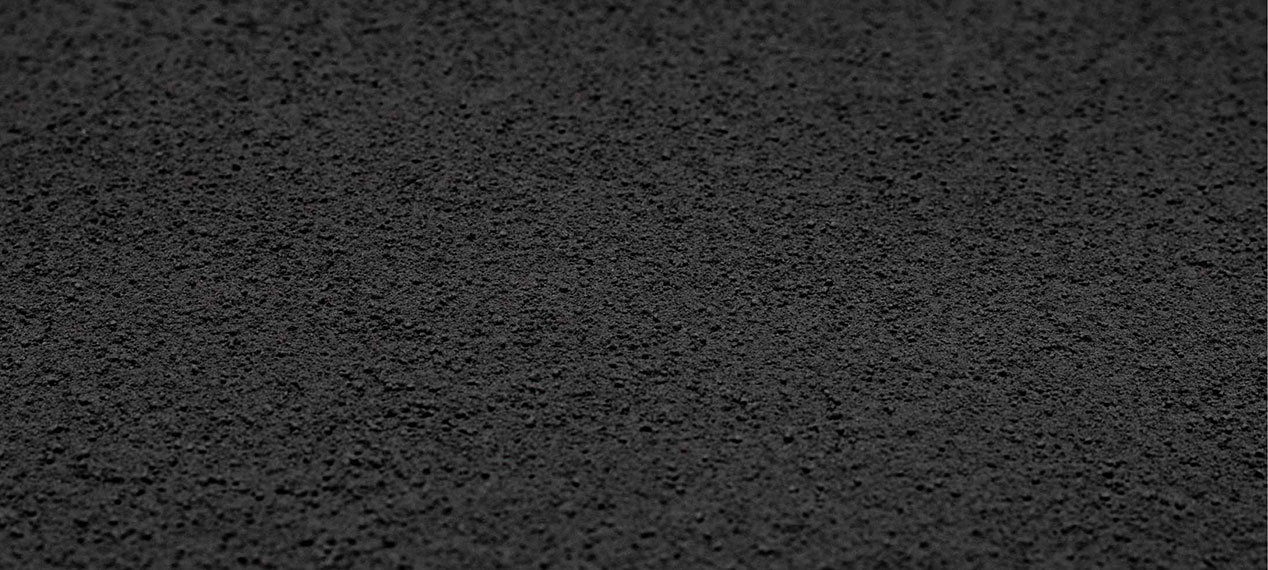
For many people, the raw material remains invisible. In everyday life, nobody sees the tungsten carbide in the background. What is visible are only the products that are used as a matter of course: laptops, smartphones, medical technology, industrial tools. For industry itself, things look different. There, tungsten carbide is not a side issue, but a basis for long tool life thanks to high hardness and wear resistance. That is precisely why its scarcity is becoming a problem that extends far beyond individual companies. In the EU, tungsten is classified as a critical raw material. At the same time, the European raw materials strategy shows how important the expansion of extraction, processing and recycling has become.
How concrete this issue has become is also shown by the Plusminus report by the German broadcaster BR, which featured NADLER Hartmetalle from Odelzhausen in Bavaria as an example. It makes visible what many industrial companies have long been feeling: raw material shortages are no longer a distant scenario. They have arrived in the reality of production.